Aluminosilicate Wool (ASW) is gaining traction in various industries. Its unique structure provides excellent thermal insulation. According to the American Society of Testing and Materials (ASTM), ASW can withstand temperatures above 1,400 degrees Celsius. This makes it ideal for high-heat applications, such as in steel mills or power plants.
The benefits of Aluminosilicate Wool extend beyond heat resistance. It is lightweight and easy to install, which enhances productivity. Furthermore, ASW is resistant to chemical degradation. This durability is crucial in settings where materials face harsh conditions. Studies show that using ASW can improve energy efficiency in buildings by up to 30%.
However, not all aspects are positive. The production of Aluminosilicate Wool can result in environmental concerns. Emissions during manufacturing may impact air quality. This raises questions about sustainability. Thus, while ASW presents significant advantages, it prompts a necessary discussion on responsible production practices. As demand grows, addressing these challenges will be crucial for the future of Aluminosilicate Wool.
What is Aluminosilicate Wool?
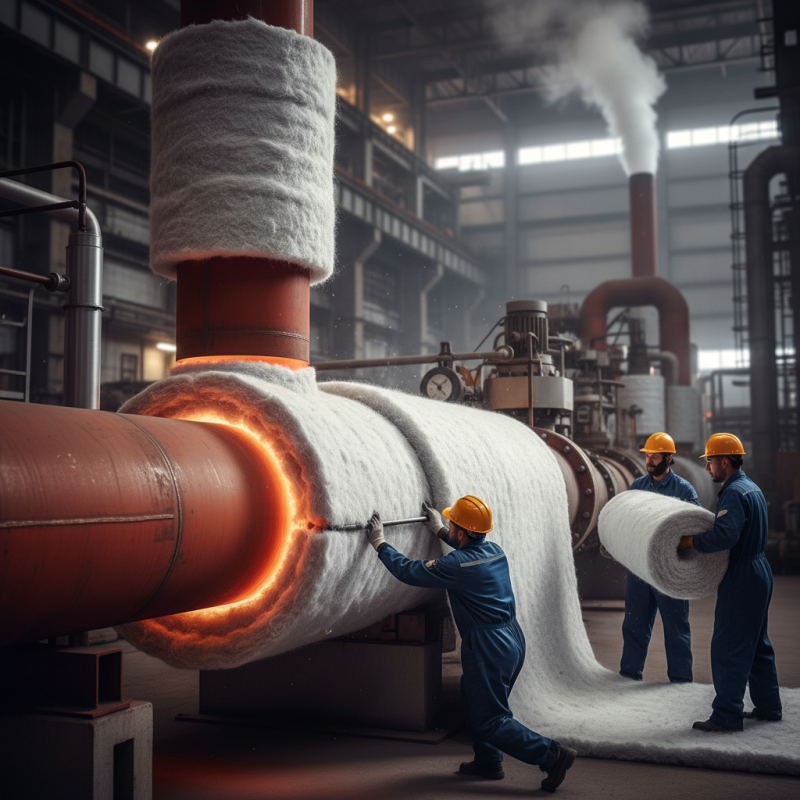
Aluminosilicate wool is a specialized fiber. It consists of alumina and silica. This unique composition offers remarkable properties. It acts as a thermal insulator. Industries use it in high-temperature applications. Research indicates it can withstand temperatures above 1,500°C. This is crucial in sectors like metallurgy and aerospace.
The physical structure of aluminosilicate wool provides excellent tensile strength. Engineers recognize this material for its durability. Reports show its lightweight nature reduces transport costs. However, handling requires caution. Dust produced during installation can pose health risks. Employers must implement safety measures to address these concerns.
In comparison to other insulation materials, aluminosilicate wool is efficient. It performs well in extreme conditions. Studies highlight its performance in energy savings. Yet, it’s essential to consider environmental impacts. Recycling options for aluminosilicate wool are limited. This aspect raises questions about sustainability. Ultimately, while the benefits are clear, the challenges cannot be ignored.
Benefits of Aluminosilicate Wool
Composition and Properties of Aluminosilicate Wool
Aluminosilicate wool is a unique material with specific properties that make it valuable in various applications. It is primarily composed of aluminum oxide, silicon dioxide, and other compounds. This composition gives it excellent thermal stability and resistance to high temperatures. For instance, it can withstand temperatures up to 1,000 degrees Celsius, making it ideal for industrial settings.
The fibers of aluminosilicate wool are lightweight and flexible. This makes installation easy and adaptable to different shapes. Also, it has low thermal conductivity, which helps in energy efficiency. However, it's essential to handle aluminosilicate wool with care. Inhalation of fibers can pose health risks. Always wear protective gear when working with it.
Tips: Ensure proper ventilation when using aluminosilicate wool. This helps reduce the concentration of airborne fibers. Always follow safety guidelines. Using a mask and goggles can protect from potential irritation. Remember, even the best materials need careful handling for safety.
Key Benefits of Using Aluminosilicate Wool
Aluminosilicate wool is a unique insulation material known for its remarkable thermal performance and durability. It is made from natural resources, primarily aluminum, silica, and other oxides. This composition makes it highly resistant to high temperatures, often exceeding 1000°C. Such properties make it a valuable choice in industries like aerospace and metallurgy.
Key benefits of using aluminosilicate wool include its excellent thermal resistance and sound absorption qualities. According to industry reports, this material can reduce energy costs by up to 30% in industrial applications. Furthermore, its lightweight nature allows for easy installation. It does not settle or degrade over time, ensuring long-lasting performance.
Tips: When using aluminosilicate wool, ensure proper handling. Its brittle nature can lead to breakage. Wear appropriate protective gear during installation to avoid skin irritation. Also, consider the environmental impact of disposal. While it's highly beneficial, post-use management is crucial for sustainability. Each step can make a significant difference.
Applications of Aluminosilicate Wool in Industry
Aluminosilicate wool is gaining traction across various industries due to its impressive heat-resistance properties. This material presents a unique blend of aluminum and silicon, making it versatile and durable. According to the Global Insulation Market report, the demand for aluminosilicate wool in high-temperature insulation applications is projected to grow by 4.5% annually through 2026. Its applications are broad, spanning aerospace, manufacturing, and power generation sectors.
In the aerospace industry, aluminosilicate wool is crucial for thermal insulation in engines and other high-heat components. The ability to withstand temperatures exceeding 1,300°C makes it ideal for such use. Furthermore, in the manufacturing sector, reports suggest that over 30% of manufacturers are shifting towards materials like aluminosilicate wool to enhance energy efficiency and reduce production costs. However, industry stakeholders must critically assess the sourcing and lifecycle impacts of aluminosilicate wool, as environmental footprints sometimes get overlooked.
Power generation industries utilize aluminosilicate for insulation in turbines and boilers, providing significant energy savings. Some reports indicate that implementing this material can lead to a 20% reduction in energy loss. Nevertheless, the potential hazards during installation and disposal should not be ignored, urging professionals to adopt safer handling practices. This highlights a pressing need for more research on sustainable processing methods and the material’s long-term performance.
Safety Considerations and Handling of Aluminosilicate Wool
Aluminosilicate wool is a versatile material used for thermal insulation. When handling this material, specific safety considerations must be observed. It is crucial to wear protective gear, including gloves and masks. This gear helps reduce exposure to fine fibers, which can irritate skin and lungs.
Proper ventilation is essential. Work areas should have good airflow to minimize inhalation risks. Dust masks can provide additional protection. Cleaning the area frequently prevents fibers from accumulating. Avoid dry sweeping, as this can release particles into the air. Instead, dampen surfaces lightly before cleaning.
Storage of aluminosilicate wool should be in a cool, dry place. Keep it covered to prevent contamination. Ensure that all workers are trained in safe handling procedures. Communication about safety protocols is vital. Remember, vigilance and proper practices significantly reduce health risks associated with this material.
FAQS
: Aluminosilicate wool is a specialized fiber made of alumina and silica.
It acts as a thermal insulator and withstands temperatures above 1,500°C.
It is used in aerospace, manufacturing, and power generation sectors.
It is efficient in extreme conditions but has limited recycling options.
Caution is required to mitigate health risks from dust produced during installation.
It can lead to significant reductions in energy loss, especially in power generation.
Yes, sourcing and lifecycle impacts can often be overlooked, raising sustainability questions.
The demand is expected to grow by 4.5% annually through 2026.
Potential hazards during installation and disposal must be carefully considered.
More studies are needed on sustainable processing and the long-term performance of the material.
Conclusion
Aluminosilicate Wool is a high-performance insulating material composed primarily of silica and alumina. Known for its exceptional thermal stability and resistance to high temperatures, it is widely used in industrial applications where extreme conditions are present. The unique composition of Aluminosilicate Wool endows it with excellent mechanical properties, making it a preferred choice for thermal and acoustic insulation.
The benefits of using Aluminosilicate Wool range from its effectiveness in energy conservation to its ability to withstand harsh environments without degradation. Its lightweight nature and versatility allow for easy handling and installation in various industrial settings. However, safety considerations are crucial when working with this material, necessitating proper handling protocols to mitigate potential health risks. Overall, Aluminosilicate Wool is a valuable resource in advancing energy efficiency and optimizing performance in demanding applications.
 FibroCeram Materials
